













 From 150₾ Free Shipping
 Categories
 Sale
Sale
 profile
Disposable Containers for Business: How to Choose in 2026 | Supta.ge


Disposable Containers for Businesses: How to Choose the Right Ones in 2026
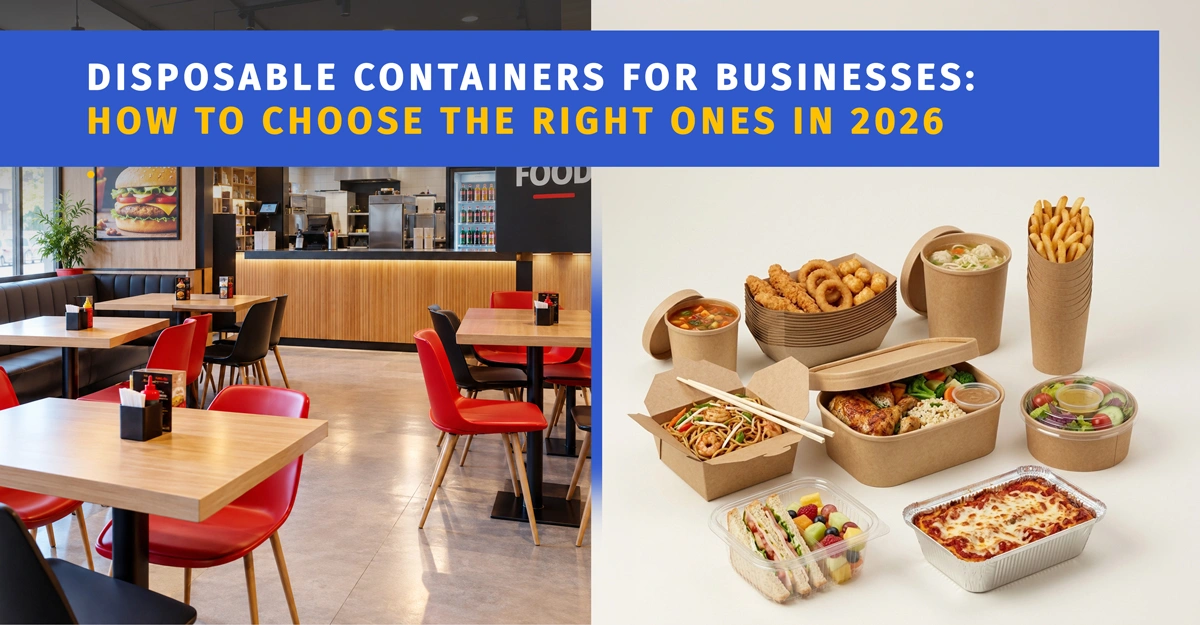
What happens if the disposable containers used by your business no longer meet the new requirements?
In 2026, choosing disposable containers based solely on price and appearance is no longer enough. It is important to consider the type of material, durability, temperature resistance, food compatibility, and environmental impact.
The market offers various types of containers, including options made from paper, cardboard, biodegradable materials, and other alternative materials. Each has different characteristics and areas of application.
In this article, we will take a detailed look at the differences between the main types of disposable containers, which materials are more durable under different conditions, how they perform with hot and cold food, and what you should consider when choosing the right container for a specific product.
Read the guide to learn how to choose functional, durable, and modern disposable containers for your business.
Types of Disposable Containers and Their Functional Purpose
In today’s business environment, disposable containers are no longer just packaging. They are a factor that influences service quality, brand image, and operational efficiency.
The regulations that came into force in Georgia on January 1, 2026, restricting the sale of certain types of plastic products, have created new challenges for procurement managers. For food service businesses and offices, it has become critically important to find alternatives that not only comply with regulations but also preserve the original appearance and temperature of the product.
The assortment available on the market can be divided into several main categories, each with its own purpose:
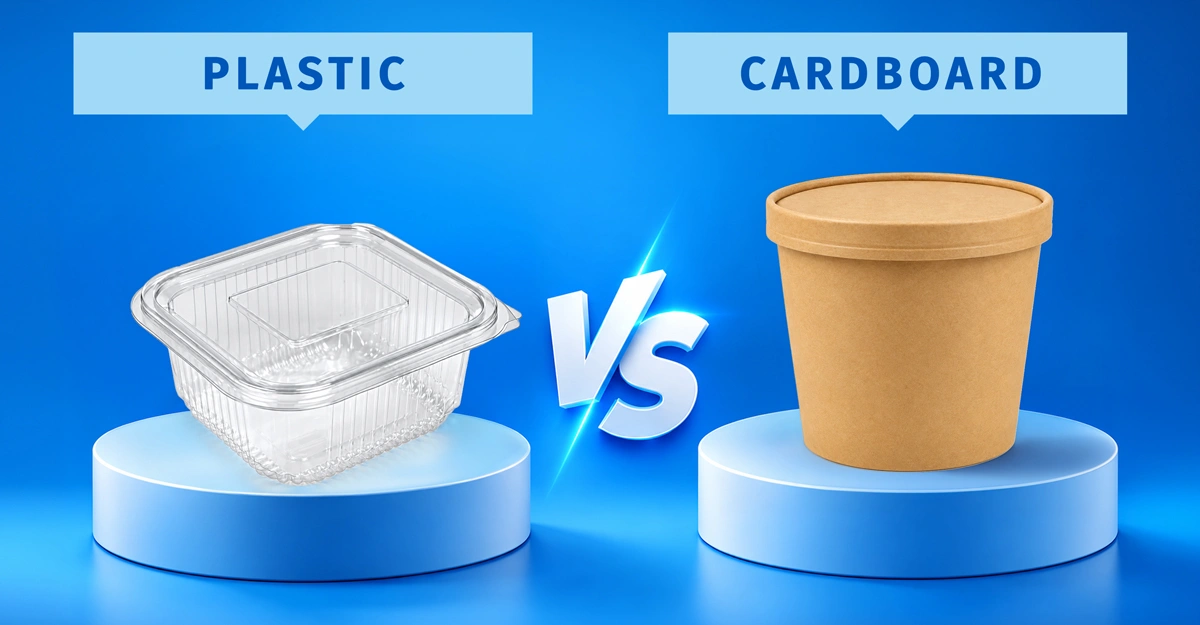
Cardboard or Plastic: How to Choose?
The choice depends directly on the temperature and moisture content of the food. If your menu includes soups or dishes with sauces, airtight plastic containers remain a reliable way to prevent leakage. However, from a branding perspective, cardboard can be much more effective. Color printing and logo application are significantly easier, helping businesses strengthen communication with customers.
The surface of cardboard is also more pleasant to the touch and can help emphasize a brand’s commitment to environmental responsibility.
Advantages of Aluminum Containers for Food Businesses
Aluminum is one of the most practical materials for businesses. It can be used in ovens, reducing the need to transfer food between different types of cookware from preparation to delivery.
The material is suitable for food contact and does not alter the taste characteristics of food. In addition, aluminum has a 100% recycling potential, making it a suitable solution for the eco-standards of 2026.
Choosing aluminum during the procurement process means greater stability and a consistent level of quality for your customers.
Selection Criteria: What Should a Procurement Manager Consider?
For a procurement manager, making the right decision does not end with selecting the material. In 2026, as competition in delivery services reaches new levels, disposable products, and containers in particular, should be evaluated based on their technical characteristics.
The first and most important factor is airtightness. Protection against leakage is critical because damaged packaging can directly result in customer dissatisfaction and financial losses.
Several technical details can determine the efficiency of your logistics process:
Safety and Certification
Food-contact safety certifications are a mandatory standard that cannot be overlooked. Managers should verify that the selected disposable containers do not contain toxic substances and fully comply with the requirements of the National Food Agency.
Quality control ensures that the material does not release harmful substances when hot food is placed inside and does not alter the taste of the food. This is particularly relevant when selecting plastic alternatives, where material stability at high temperatures is a critical factor.
Cost Efficiency and Budgeting
Bulk purchasing is one of the most effective ways to optimize costs, but a lower price should not mean compromising on quality.
The right balance can be achieved by working with a reliable partner that offers stable pricing and well-organized documentation. If you want to make your business procurement process more efficient, you can contact our team for assistance in selecting the optimal assortment.
Proper planning eliminates unnecessary expenses and protects you from unexpected stock shortages, which can often occur when working with unreliable suppliers.
Desk Accessories for Business: Productivity and Supply Without the Chaos
Eco-Friendly Cleaning Products
How to Choose Floor Cleaning Liquids?
Disposable Containers for Businesses: How to Choose the Right Ones in 2026
Medical Disposable Supplies: A Guide to Quality Selection
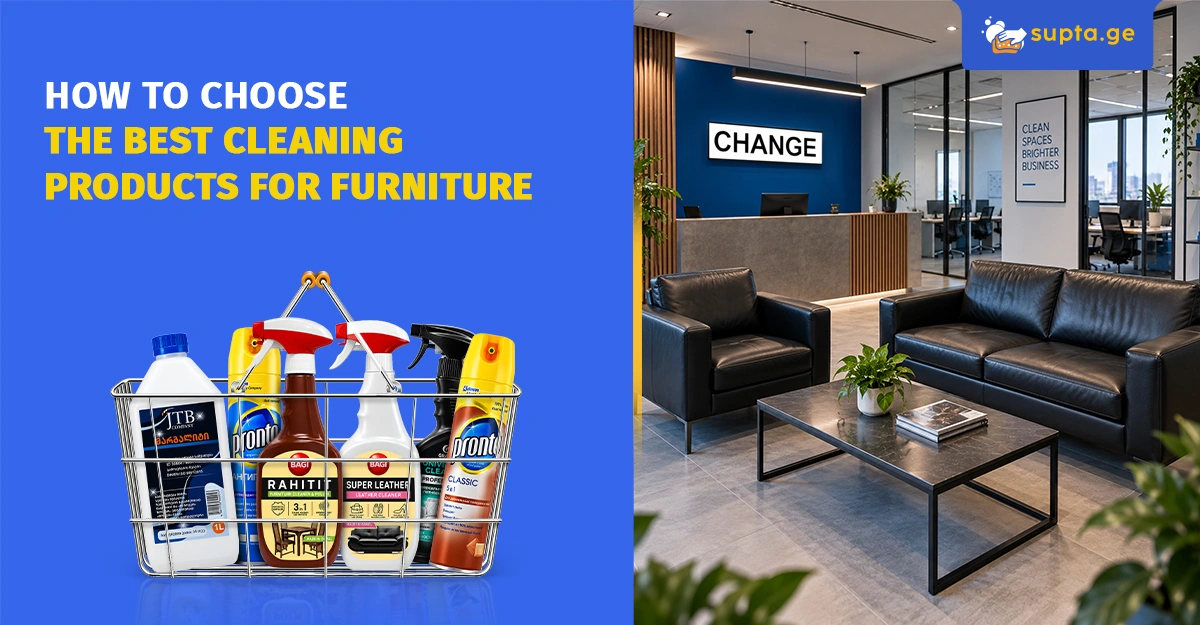
How to Choose the Best Cleaning Products for Furniture
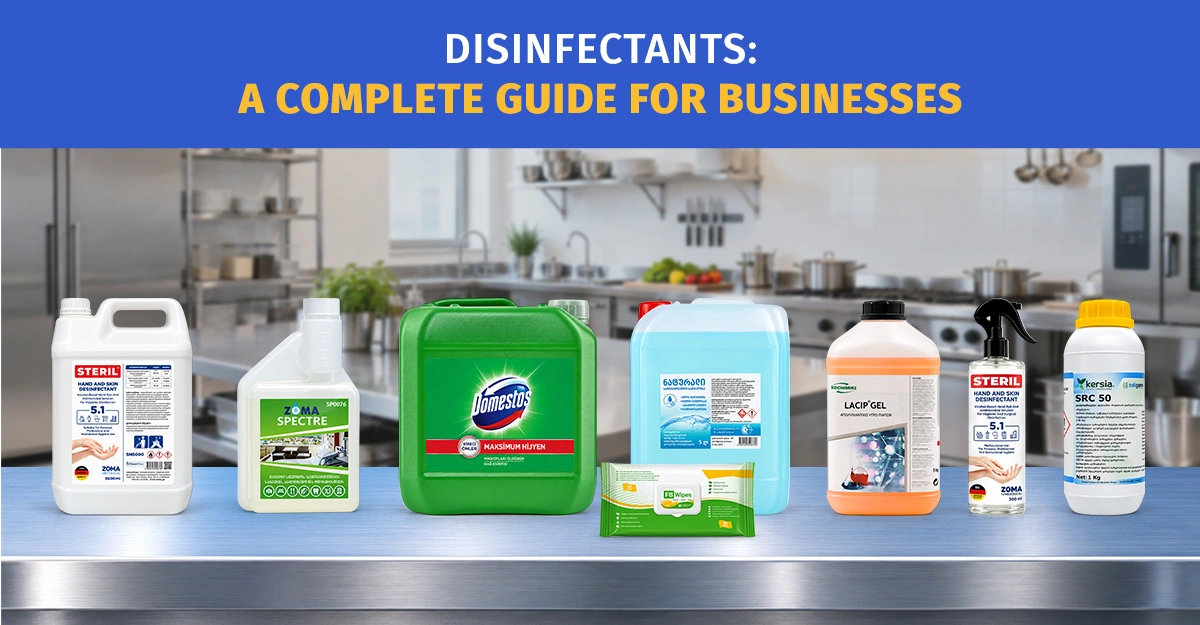
Disinfectants: A Complete Guide for Businesses
See all